Home

Designerrs Academy

UX Mentorship

Helping the next generation of designers find their own way of thinking.

  1. 01

    It started with a conversation

    The founder of a design institute reached out to see if I could dedicate my weekends to mentoring aspiring UX designers. I was first invited to shadow a few sessions, review the existing curriculum, and identify gaps in the learning experience.

    After seeing an opportunity to make a difference, I joined the program. For me, it was a chance to give back to the design community and help people build careers in UX with the right foundations.

    The empty mentoring room before a weekend session, with a round table and chairs by the window
    Where the weekends began
  2. 02

    Eight people, eight different starting points

    The group had eight mentees from diverse backgrounds and cultures. Some came from graphic design and UI, while others came from sales, trading, and fields outside the software industry.

    They shared a common ambition: to move into UX. But some also carried the assumption that UX would be easy to learn because it didn't require coding.

    Rather than dismissing that idea, I used it as a starting point to help them understand what the work really involves — navigating ambiguity, understanding people, evaluating trade-offs, and making design decisions that can stand up to scrutiny.

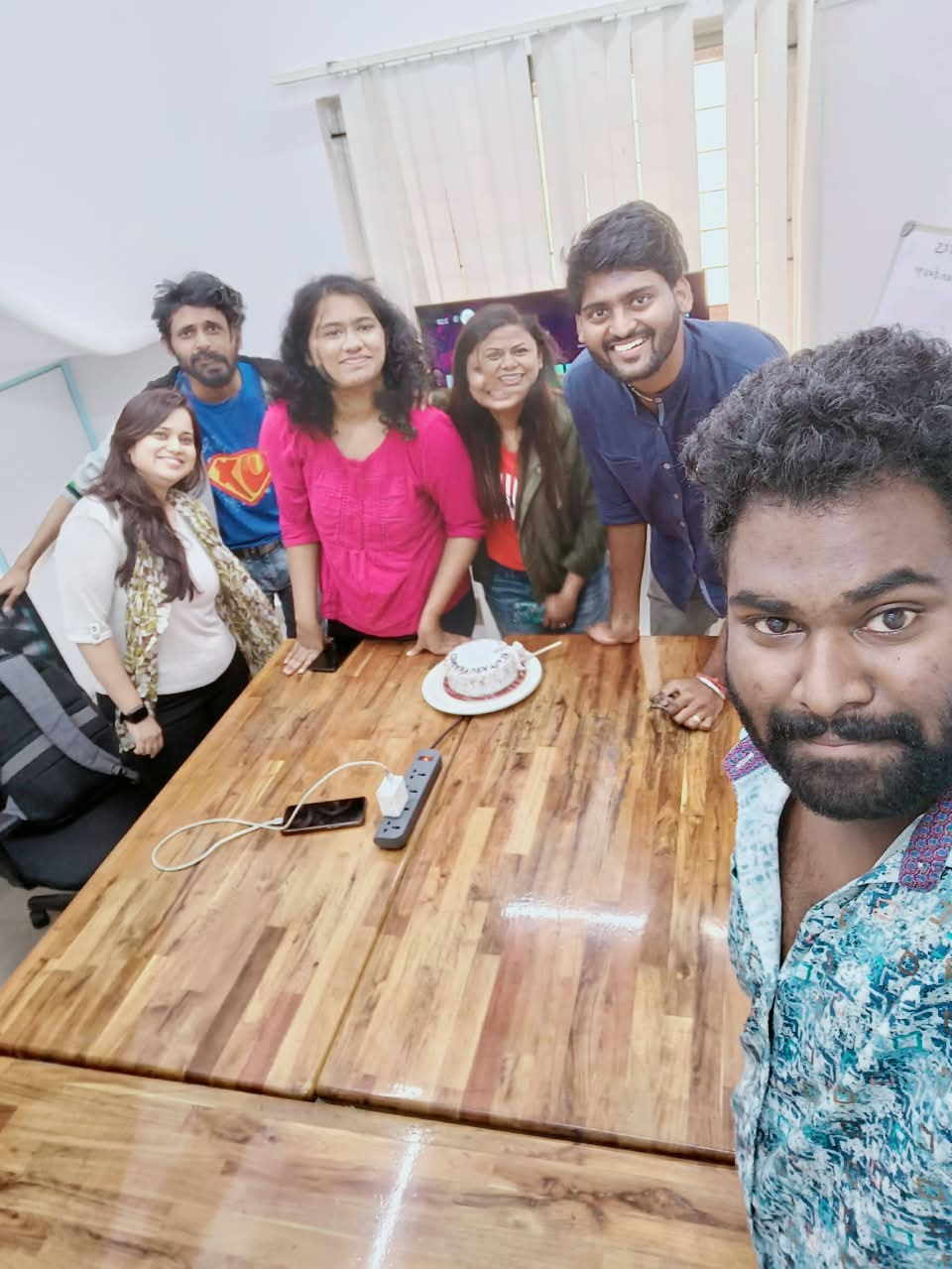
    Ragul taking a selfie with the mentee cohort gathered around a wooden table with a cake
    Different backgrounds, one ambition
  3. 03

    Change how they approach a problem

    I wanted them to understand one principle before opening a design tool. I adapted the learning approach around problem framing, research, user needs, mental models, assumptions, and the context in which a product would be used.

    The goal wasn't to teach everyone to follow the same process mechanically. It was to help them develop the judgment to choose the right approach for the problem in front of them.

    Understand the problem before trying to solve it.

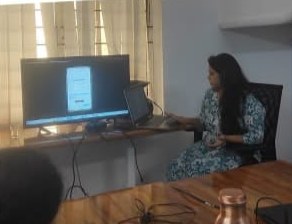
    A mentee presenting a mobile app design on a large monitor during a session
    Explaining the why, not just the screen
  4. 04

    One problem. Eight different solutions.

    I gave all eight mentees the same problem statement and asked each person to work through it independently.

    Before jumping into screens, they had to explain who they were designing for, why that audience mattered, what assumptions they were making, and how their proposed experience would fit the context and environment they envisioned.

    The results were what made the exercise meaningful. Although everyone started with the same brief, the solutions were distinct. Each person interpreted the problem differently and arrived at a different direction.

    Not eight people copying a process, but eight people learning to think for themselves.

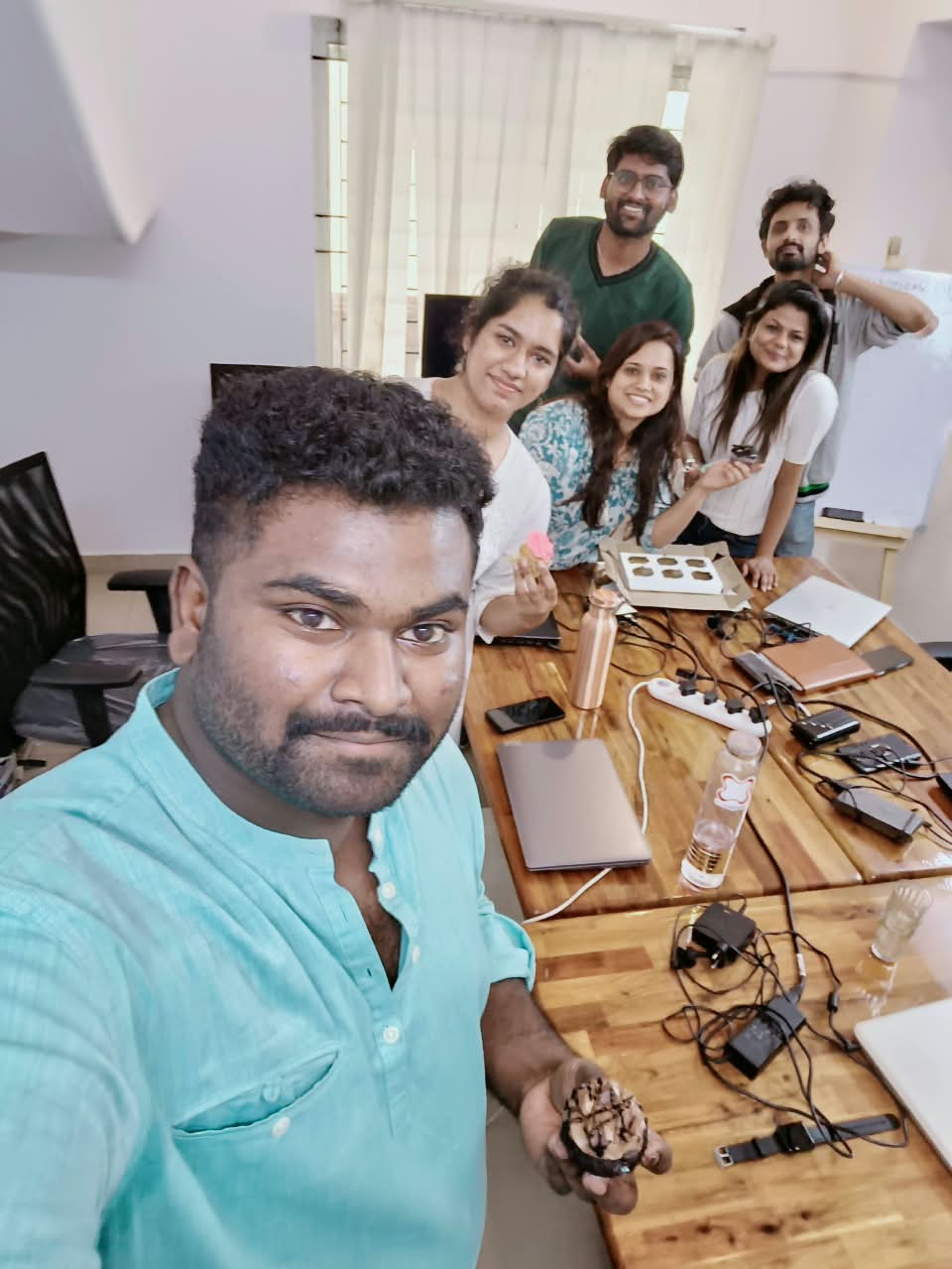
    Ragul taking a selfie with mentees gathered around a wooden worktable covered with laptops, chargers and cupcakes
    Every solution came with a story
  5. 05

    The experience beyond the classroom

    Over the six-month program, I worked to make UX more approachable without making it seem simplistic. My focus was on building problem-solving skills, explaining the reasoning behind design decisions, and helping mentees understand how to carry their thinking into practical work.

    Seven of the eight mentees completed the program. Seeing people from different professional backgrounds begin to find their footing in UX made the time I invested on weekends worthwhile.

    For me, mentorship was as much about building confidence and judgment as it was about teaching design methods.

    Ragul and a mentee smiling in a selfie, one holding a cupcake and the other a wrapped gift
    Seven of eight, across the finish line

A few words from the people I mentored

The most meaningful measure of mentorship is what people take forward from it.

“Having Ragul as my UI/UX mentor has been a valuable part of my learning journey. They explain concepts clearly and give thoughtful, constructive feedback that helps me understand the reasoning behind my design decisions. Their patience and encouragement have helped me build confidence, strengthen my design process, and approach problems with a greater focus on users.”
NithyaMentee · Designerrs AcademyLinkedInprofile of Nithya (opens in new tab)
“Your mentorship played a good role in helping me understand UI/UX beyond just tools and taught me how to approach design practically. The guidance and feedback really helped me improve my design thinking and confidence as a designer.”
AshishMentee · Designerrs Academy
01 / 02

Note: Due to my commitments with the design institute, I’m unable to share the mentees’ original project submissions. The testimonials and photographs included here reflect the learning experience and the work we did together.

What I took away

Good mentorship isn't about teaching people to think like you. It's about giving them the tools, confidence, and judgment to think for themselves.

Looking for a UX mentor? Let's talk.

Get in touch